
Commercial workplace seating
Seating selected for the person, the task, and the environment.
Pettus supports task, executive, conference, guest, lounge, waiting, café, stool, training, and specialty seating around application, ergonomics, durability, finishes, cleanability, and long-term service.
Seating by work mode
Different applications require different support.
Task and ergonomic seating
Adjustable seating for focused work, varied users, long-duration use, shared workpoints, and workstation standards.
Executive and conference seating
Private offices, boardrooms, meeting rooms, client settings, leadership environments, and guest interaction.
Guest and waiting seating
Reception, visitor, healthcare, education, public, consultation, and support environments requiring comfort and durability.
Lounge and ancillary seating
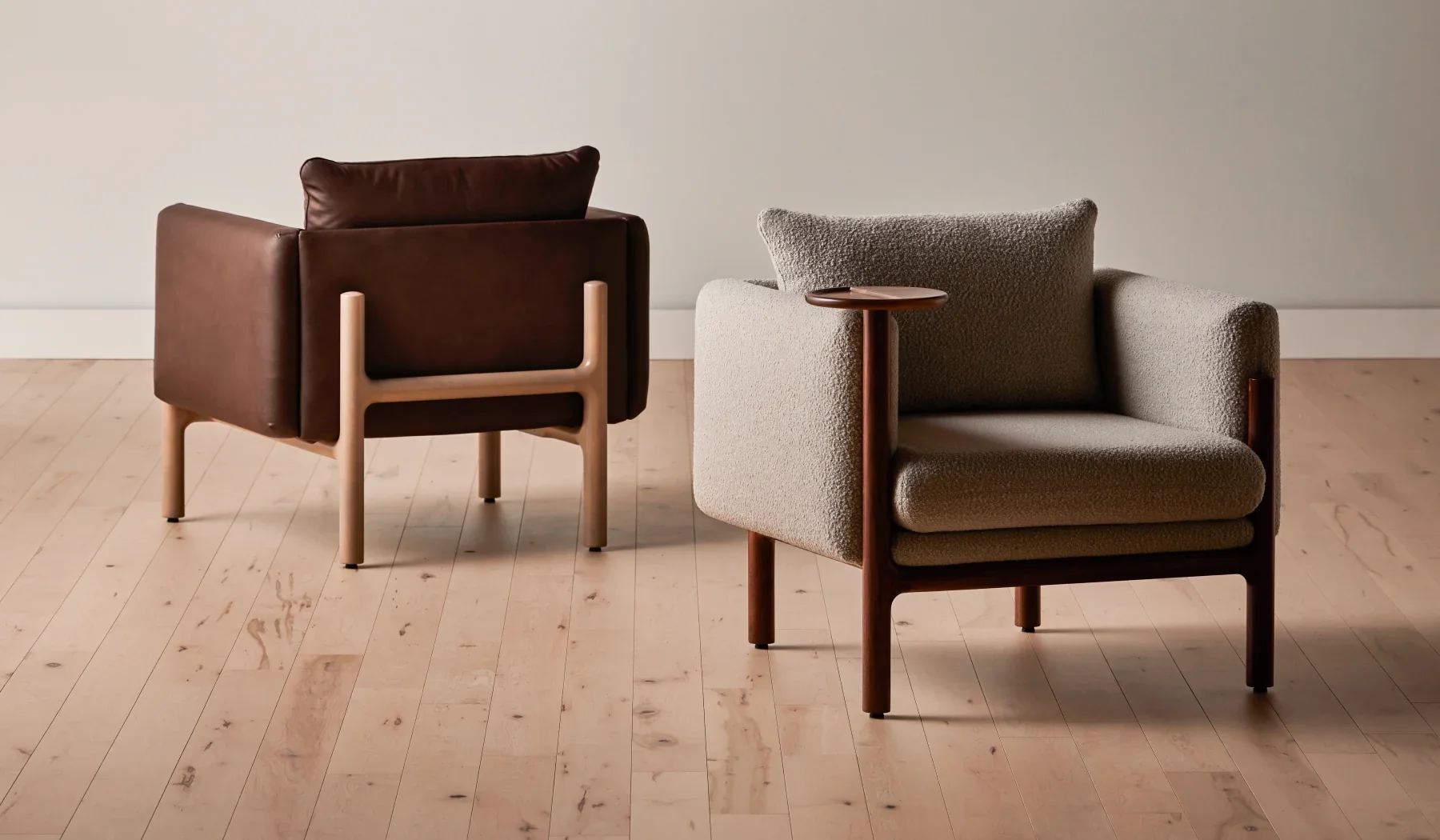
Sofas, lounge chairs, stools, benches, ottomans, café, stack, nest, and informal collaboration seating.
Evaluate more than appearance
The best seating choice depends on the user and the use.
- User range, task duration, posture, adjustability, and intended use
- Dimensions, arms, base, mobility, stacking, nesting, and floor conditions
- Textile, vinyl, leather, mesh, finish, cleanability, and maintenance
- Weight ratings, standards, warranty, replacement parts, budget, and lead time
- Delivery, assembly, placement, adjustment, and continuing support
Selection criteria
A chair is a user interface—not merely an object in the room.
User range and adjustability
Seat height, depth, back support, arms, recline, controls, mobility, posture, task, duration, and training requirements.
Material and environment
Durability, cleanability, maintenance, textile or surface choice, infection-control considerations, stacking, storage, and replacement.
Quantity, pricing, lead time, and service
Configuration, finish, quantity, availability, freight, assembly, placement, warranty, parts, additions, and future standards.
Seating path
A practical selection process.
Identify the user and task.
Work mode, duration, environment, quantities, dimensions, mobility, materials, performance, budget, and schedule.
Compare suitable configurations.
Mechanism, dimensions, arms, base, mobility, textile, finish, price, availability, alternatives, and warranty.
Test when the decision warrants it.
Samples, demonstrations, mockups, pilot seating, user feedback, standards review, and authorized approval.
Deliver and maintain the standard.
Assembly, placement, adjustment, warranty, parts, replacements, additions, moves, and continuing service.
Common questions
Questions buyers ask before selecting seating.
Can Pettus help evaluate task seating?
Can we request samples or demonstrations?
Can Pettus provide project pricing?
Does Pettus provide warranty and replacement support?
Planning a specific room? Explore workplace space planning for conference rooms, private offices, reception, training, storage, collaboration, and focus spaces.
Start with the people and the use—not a chair model.
Pettus can help narrow the appropriate seating path before the configuration is fixed.