
Humanscale category guide
Humanscale ergonomic task seating
Start with the user and the workstation, not a feature list. Support, fit, shared use, material preference, desk clearance, and seated duration should shape the review.
Product planning
Planning ergonomic task seating with Humanscale.
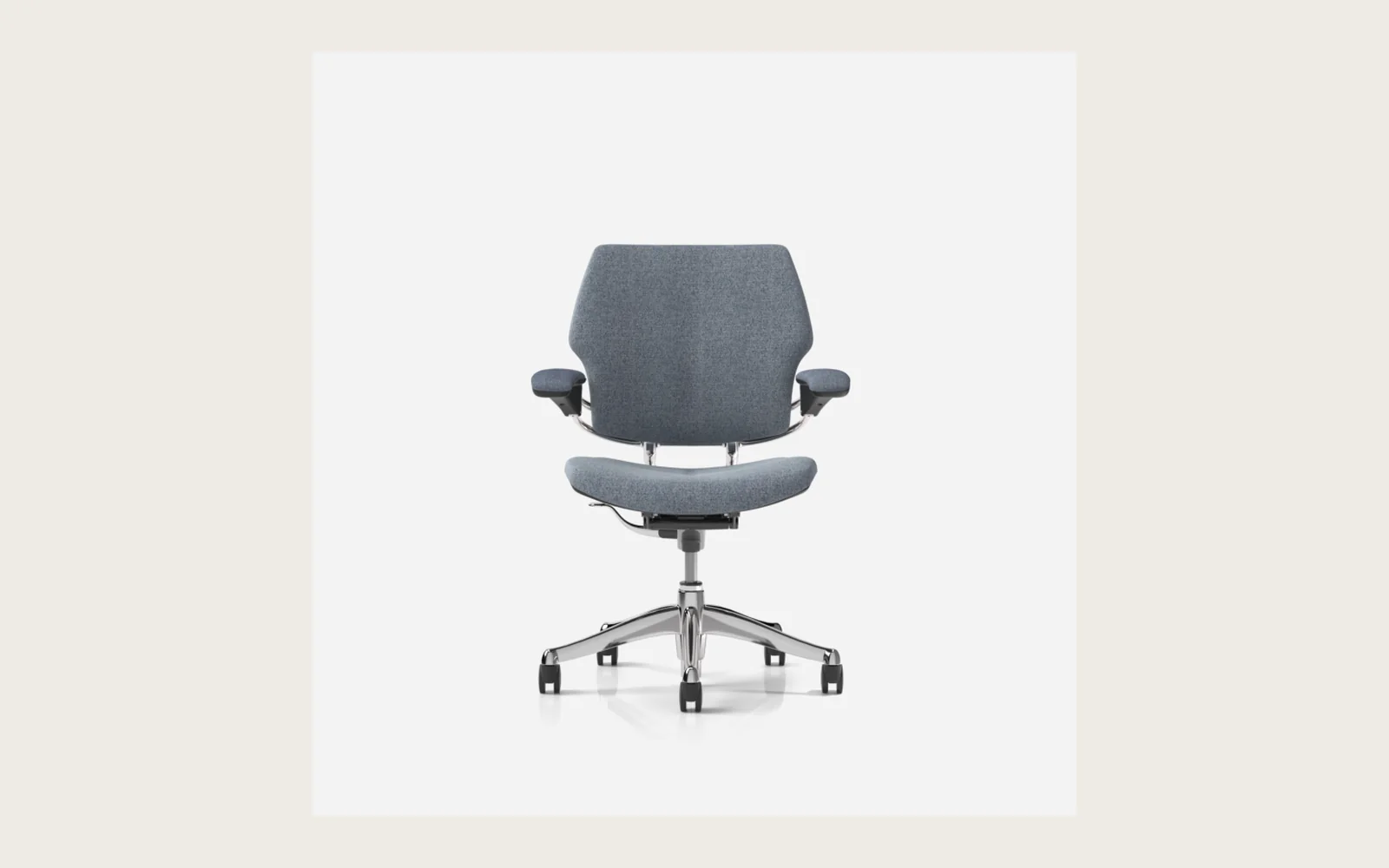
Humanscale’s seating catalog centers on ergonomic chairs that respond to natural movement, with task, conference, occasional, and stool formats shown across several material types. For this category, the practical question is not simply which chair looks best, but which seating behavior suits each user and work pattern. Pettus planning guidance is to compare adjustment approach, seat and back feel, arm needs, upholstery, and visual language, then test promising options against the intended workstation and expected range of users before making a final specification.
Humanscale presents ergonomic chairs that respond to natural body movement through self-adjusting technology. Its seating catalog includes task, conference, occasional, and stool formats in fabric, leather, mesh, and other performance materials.
Buyer planning guide
What to evaluate before specification.
Use the room, user needs, and project constraints to narrow the right application before comparing product options, finishes, and project requirements.
Planning factor 1
Support behavior
Compare how each model responds to posture changes and which controls, if any, users must operate throughout the day.
Planning factor 2
User fit
Review seat proportions, arm configuration, back support, and adjustment range for the actual people and sharing pattern.
Planning factor 3
Material experience
Evaluate mesh, fabric, leather, and performance upholstery for feel, appearance, maintenance, and the room’s thermal conditions.
Planning factor 4
Workstation coordination
Check chair movement, arm clearance, base footprint, and alignment with the desk, keyboard, monitor, and surrounding circulation.
Where this category can support the plan
Connect the product category to the way the space must work.
- Individual workstations
- Private offices
- Focus rooms and touchdown stations
Brief
Document users, activities, room conditions, priorities, and constraints.
Compare
Review application paths, current options, dimensions, and visual direction.
Coordinate
Align finishes, technology, adjacent furniture, clearances, and budget.
Confirm
Validate current specifications, lead times, delivery, and installation requirements.
Frequently asked questions
Questions buyers ask about ergonomic task seating.
What distinguishes Humanscale ergonomic task seating?
Humanscale emphasizes seating that responds to natural movement with limited manual intervention. Comfort and control behavior differ by model, so review current documentation and test the strongest candidates for your users.
Which chair works best at a shared workstation?
Prioritize an intuitive setup, a useful fit range, and controls that different users can understand quickly. The right choice depends on who shares the station and how long each person sits.
Can the seating coordinate with an existing interior palette?
The official catalog shows multiple material categories and finish expressions. Confirm current textile, frame, and base choices with physical samples before approving a project palette.
Keep exploring Humanscale
Related manufacturer categories.
Compare adjacent applications before narrowing the final product and planning direction.
Start with the room and the work
Bring Pettus the requirements—not just a product name.
Share the user range, workday, workstation dimensions, and material priorities with Pettus to review Humanscale seating.